The Chip are Down

Chip Supply Strains and Rising Hardware Costs: What’s Really Going On?
If you’ve tried to buy a new laptop or phone recently and felt some sticker shock, you’re not imagining things. A global struggle over tech’s most crucial building blocks, memory and storage chips, is underway and the AI boom is right at the center of it.[1][2][3]
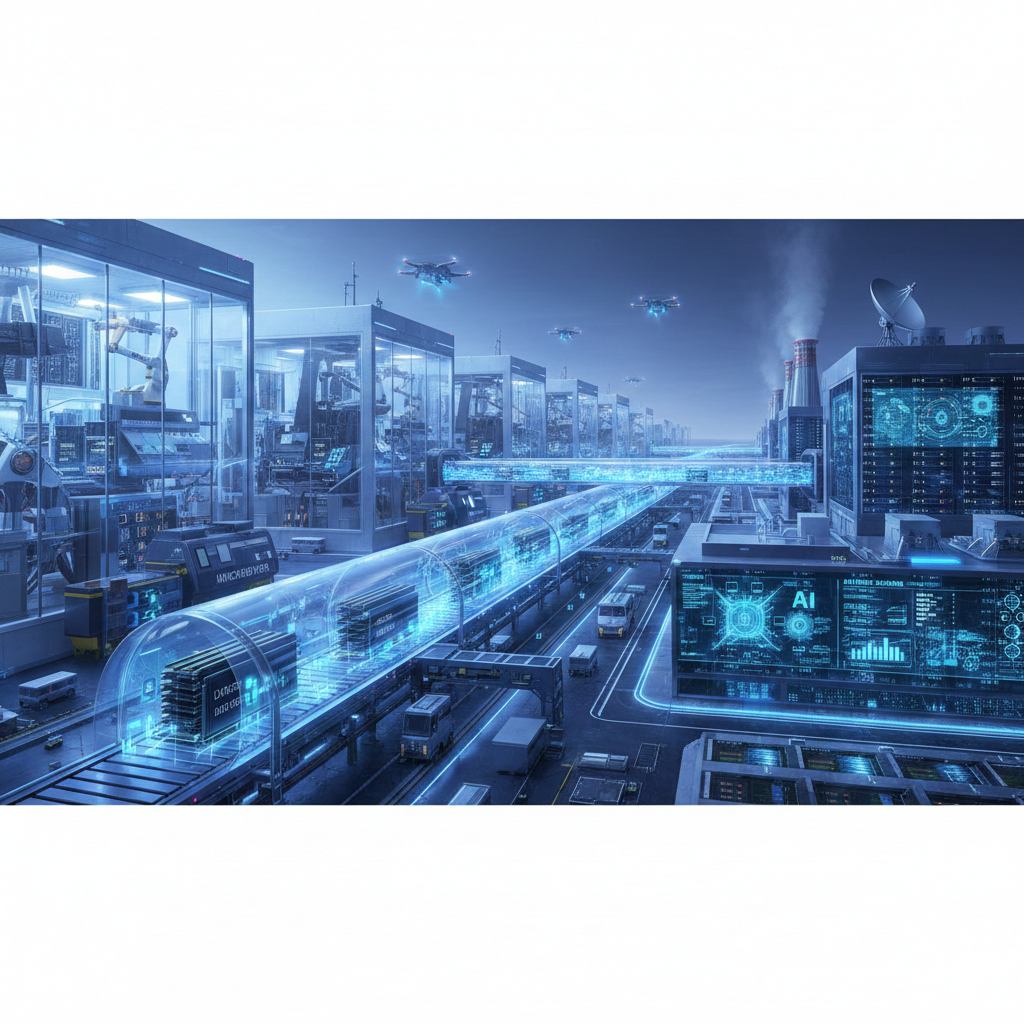
Over the past few years, demand for advanced AI models has exploded, and training and running these systems requires vast amounts of high‑bandwidth memory and fast storage inside data centers. As hyperscale cloud providers and big tech platforms race to build out AI infrastructure, they are soaking up a larger and larger share of global DRAM and NAND production. Instead of flowing into consumer devices like PCs and smartphones, more and more capacity is being redirected into AI servers where margins are higher and demand is surging.[2][3][4][5][6][1]
Analysts at IDC describe the situation as an “unprecedented memory chip shortage,” driven by a structural reallocation of wafer capacity toward AI workloads, rather than a simple cyclical downturn. Reports now suggest that data centers could consume around 70 percent of all memory chips produced in 2026, with AI alone effectively taking up close to 20 percent of global DRAM supply when you account for the extra wafer intensity of high‑bandwidth memory. Industry observers note that this time “really is different,” calling it the “craziest time ever” for the memory sector as manufacturers retool lines toward higher margin AI products.[3][4][5][6][1][2]
What Does it Mean?
For everyday buyers, the fallout shows up in the price tags. IDC estimates that the supply and demand imbalance for consumer oriented memory and storage could last into 2027, pushing up the bill of materials for PCs, tablets, and smartphones. One IDC analyst expects prices for those devices to climb roughly 10–20 percent before the end of 2026, a view echoed by other researchers, though a bit more modest, who forecast 8-9 percent increases in average smartphone selling prices as component costs rise. Consumer Reports and other commentators warn that 2026 could end up being one of the most expensive years ever for consumer electronics as the era of cheap, abundant storage comes to an end.[7][8][9][1][3]
This shift can show up in several ways: fewer deep discounts, shorter promotion windows, or new models launching at noticeably higher prices than their predecessors. With memory prices projected to rise sharply, some forecasts see memory costs jumping up to 40 percent into mid‑2026, manufacturers are expected to focus on more profitable, high end SKUs and trim back budget offerings. For budget conscious buyers, that likely means stretching upgrade cycles and being more strategic about when, and what, they buy.[9][1][3][7]
It’s not just personal gadgets under pressure. Car makers, which rely on chips for everything from safety systems and engine control to navigation and in‑car entertainment, are also being squeezed as AI data centers claim more wafer and packaging capacity. Semiconductor leaders cautioned in recent interviews that the memory “crunch” is likely to extend through 2026 and 2027, with a significant portion of output already locked up in long‑term AI infrastructure deals.[10][1][2][3]
The Bottom Line
For consumers and businesses, this is a classic trade‑off. Massive investment in AI infrastructure promises powerful new capabilities and productivity gains, but in the near term it translates into higher device prices and tighter supply for everything else that depends on the same chips. If you’re planning big hardware purchases over the next year, it may be wise to buy slightly higher‑end specs to extend lifespan. Consider reputable refurbished options, and focus on total cost of ownership rather than just the upfront price. The AI era is reshaping not just what our devices can do, but how much we pay for them.[8][1][2][3][7][9][10]
Source Links
[1] AI boom strains chip supply, pushing PC and smartphone costs up ...
[2] Data centers will consume 70 percent of memory chips made in 2026
[3] What's driving the global RAM shortage? And why is it so expensive?
[4] [News] AI Reportedly to Consume 20% of Global DRAM Wafer ...
[5] The Memory Crisis: How AI Data Centres Are Reshaping All 2026 IT ...
[6] RAM Price Shock 2026: The Impact of AI on Data Center Memory
[7] Smartphone prices to rise in 2026 due to AI-fueled chip shortage
[8] AI-fueled chip shortage drives up smartphone prices - DW.com
[9] Why everything from your phone to your PC may get pricier in 2026
[10] Memory chip shortage to last through 2027: Synopsys CEO - CNBC