Salesforce and the SaaSpocalypse

Salesforce CEO Marc Benioff: This isn’t our first SaaSpocalypse
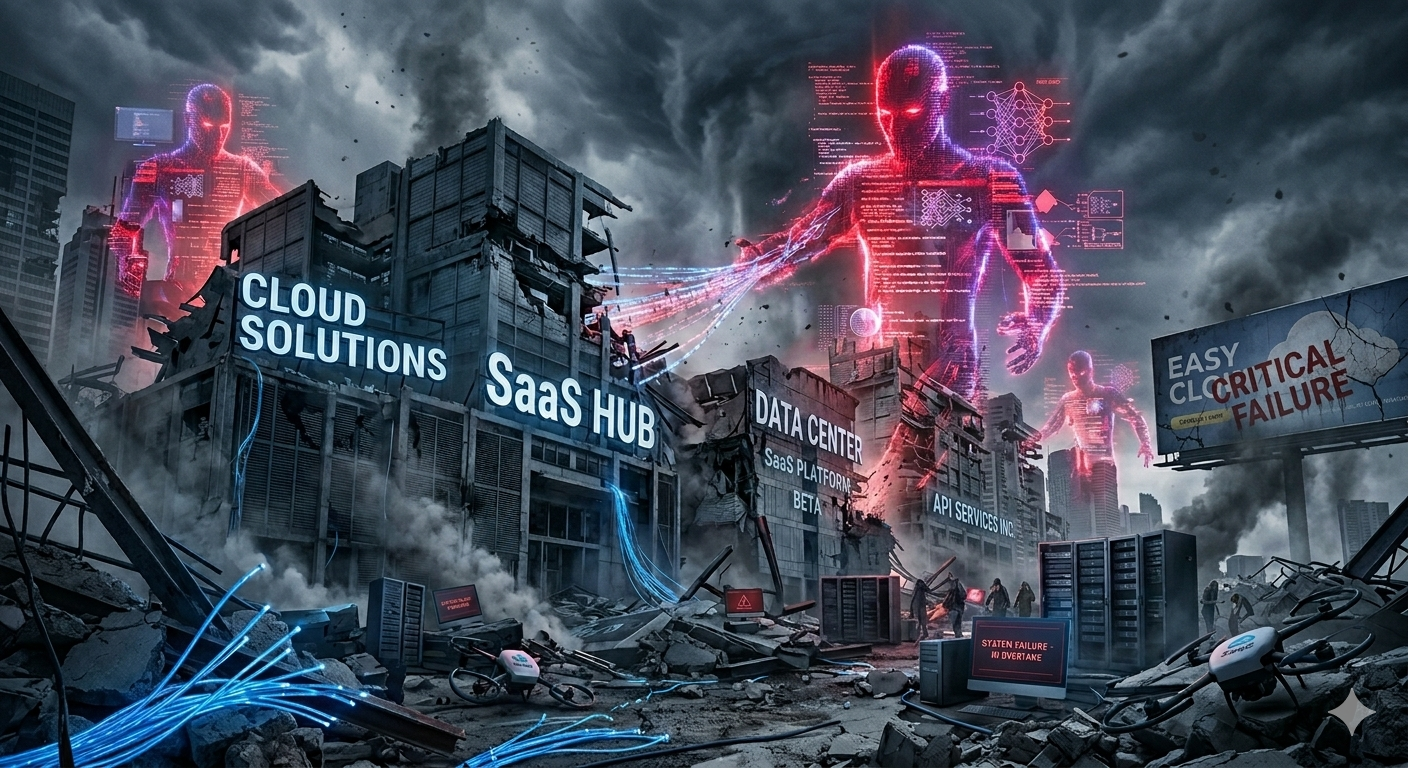
When the term SaaSpocalypse, a portmanteau of SaaS and apocalypse, started trending during recent market volatility, many guessed it signaled the end of Software-as-a-Service as we know it. But for Salesforce CEO Marc Benioff, the phrase is less a doomsday prophecy and more a reminder of resilience. In a recent interview, Benioff quipped, “This isn’t our first SaaSpocalypse.” And he’s not wrong.
Benioff has witnessed multiple cycles of hype and downturn in the cloud software space. From the dot-com crash to the 2008 financial crisis, Salesforce, founded in 1999 survived and thrived by focusing on long-term value over short-term speculation. Today’s market corrections, driven by rising interest rates and macroeconomic uncertainty, have sent SaaS valuations reeling. But Benioff argues that fundamentals still matter more than headlines.
What sets Salesforce apart, he says, is its commitment to organic growth and customer retention. Unlike some peers that leaned heavily on acquisition-driven expansion, Salesforce has consistently prioritized innovation and integration. Most notably through its AppExchange ecosystem, which now hosts over 7 million apps. That depth of community and interoperability has become a moat, insulating Salesforce from churn during turbulent times.
Benioff also highlighted the company’s pivot toward AI and trust. Salesforce’s Einstein GPT platform, integrated across its CRM suite, isn’t just about flashy features, it’s about actionable intelligence, helping sales and service teams work smarter, not harder. And in an era where data privacy and ethics dominate boardroom conversations, Benioff emphasized Salesforce’s ethical AI principles: transparency, fairness, and accountability as key differentiators.
Importantly, he stressed that the real test of SaaS companies isn’t their ability to raise funding in bull markets, but their capacity to adapt when growth slows. “We’re not building for today,” Benioff said. “We’re building for the next 10 years.” That includes doubling down on industry specific clouds like Financial Services Cloud and Health Cloud. And investing heavily in sustainability, as seen in Salesforce’s net-zero commitment.
The market may be cooling, but Benioff sees opportunity in the correction. “Valuations have reset,” he noted, “and that creates a chance for companies with real traction and clear ROI to emerge stronger.” As other SaaS players restructure or retreat, Salesforce’s disciplined approach, balancing innovation, ethics, and enterprise value, may very well define the next phase of cloud evolution.
In short: The SaaSpocalypse may be overhyped. For Benioff and Salesforce, it’s just another chapter in a longer story. One they’re determined to write with confidence.
Editor's Note
The hype around AI and some dumbass in payroll or client support / marketing being able to create a product that can replace SaaS tools like Salesforce or ADP is laughably absurd. Having developed enterprise software for over 30 years, I can tell you that creating a product that is robust, scalable, secure, and compliant requires people who actually understand how to do that. These people, the software solution architects and developers, are the ones who will be able to use the AI tools to create better products in a less time, at lower cost.
If you're not a CRM company, or a payroll company, are you really going to make the necessary invenstments to develop a one-off solution in this space just so you can stop paying your SaaS subscription? I don't think so. The first time you spam your clients with autmated emails or your employees direct depoists don't hit their bank accounts on time, you'll be running back to your SaaS provider with your tail between your legs.
Develop all the internal tools you want, but don't expect to replace the enterprise SaaS providers anytime soon. It's just my opinion, but keep your focus on your core business and let the experts provide the tools you need to run it.