Seedance 2.0

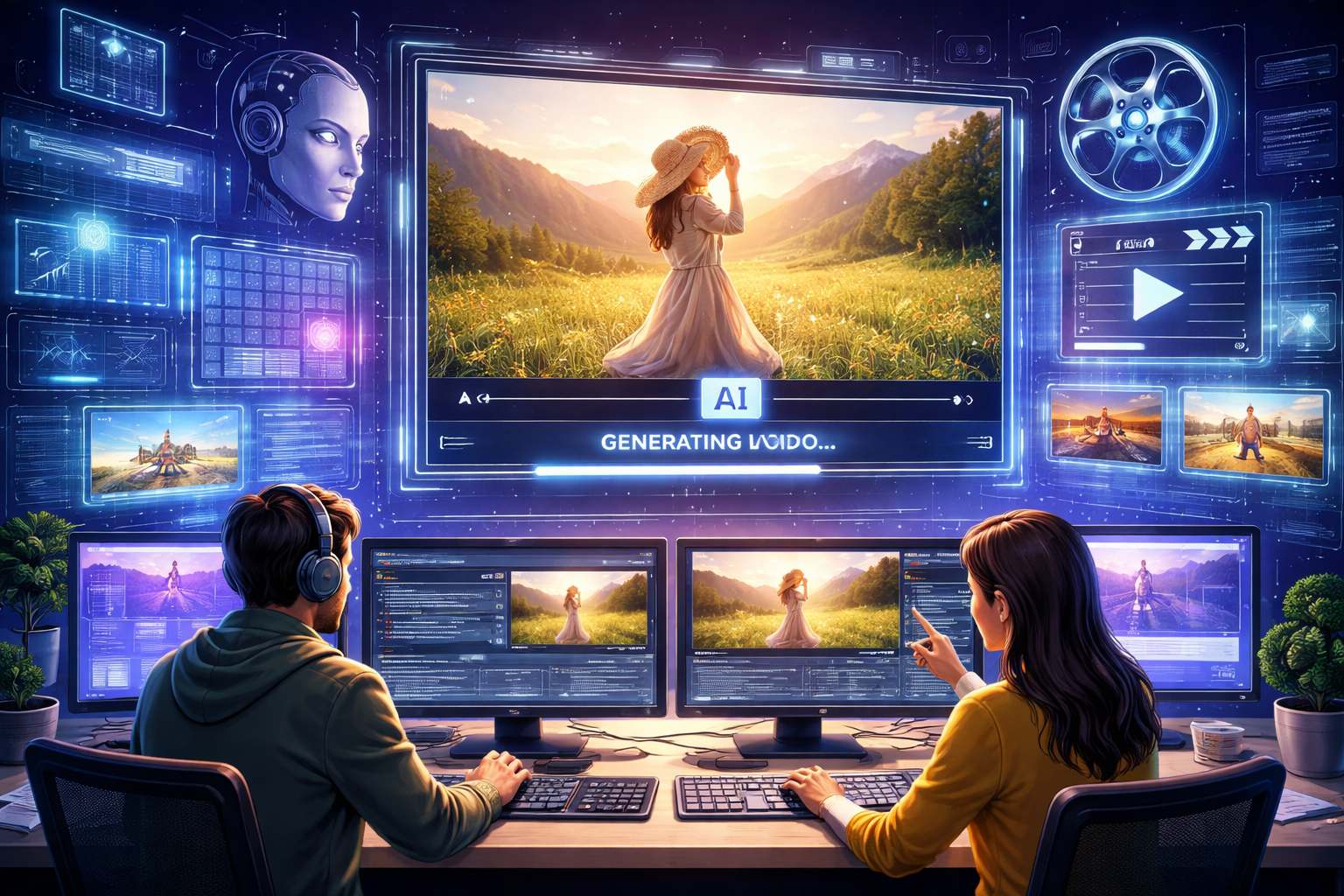
ByteDance’s new AI video model, Seedance 2.0, is quickly becoming a symbol of where generative media is headed: fast, cinematic, and a little unsettling. It combines striking creative potential with very real risks around deepfakes, propaganda, and synthetic celebrity content.[1][2][3][4]
What Seedance 2.0 can do
Seedance 2.0 is ByteDance’s next‑generation text‑to‑video system designed to turn simple prompts into high‑fidelity, cinematic clips. Unlike earlier models that often produced jittery or disjointed footage, it aims for coherent “multi‑lens” storytelling, maintaining characters, style, and camera movement across multiple shots.[2][1]
Users can feed it text plus reference media, such as a photo for character appearance and a short video for camera motion, and the model weaves these into structured 2K‑resolution footage. It supports different aspect ratios (for example, 9:16 for TikTok or 16:9 for traditional film) and is marketed as capable enough for professional advertising and filmmaking workflows.[2]
One viral example showed AI versions of Ye (Kanye West) and Kim Kardashian acting in an Imperial Chinese palace drama, speaking and singing fluent‑looking Mandarin with convincing lip‑sync and body motion. Clips like this have racked up around a million views on Weibo and helped Seedance 2.0 be talked about as a possible “second DeepSeek moment” for China’s AI industry.[3][4][1]
The upside and the dark side
On the positive side, tools like Seedance 2.0 could radically lower the barrier to high‑quality video production. Indie filmmakers, marketers, educators, and small businesses could generate storyboards, ads, explainers, or music videos with a laptop and a prompt instead of full crews and expensive equipment.[1][2]
But the same features that make it powerful also make it easy to misuse. Seedance 2.0’s ability to clone real people into realistic scenes, complete with expressive faces and natural voices, creates obvious openings for political deepfakes, reputational attacks, non‑consensual explicit content, and targeted propaganda. In a world already struggling with misinformation, a freely available model that can fabricate “video evidence” on demand raises tough questions for regulators, platforms, and the public.[4][5][6][3]
Elon Musk’s reaction and what it signals
The global spotlight intensified when Elon Musk reposted content showcasing Seedance 2.0 and commented, “It’s happening fast” on X. Coming from one of the most visible figures in tech, that short line captured both admiration for the pace of progress and an implicit warning about how quickly generative video is catching up.[5][4][1][2]
His reaction has amplified the sense that we’re entering a new phase of the AI race, where leadership is not just about chatbots and code‑writing models, but about who can generate the most convincing synthetic worlds on screen. For creators, Seedance 2.0 is an exciting new tool; for everyone else, it’s a reminder that seeing is no longer believing, and that society needs to catch up just as fast.[4][1]
Source Links
[1] ByteDance's new AI video model goes viral as China looks for second DeepSeek moment
[2] What Is Seedance 2.0? All About ByteDance's New AI Video Model ...
[3] ByteDance's new AI video model goes viral as China looks for ...
[4] ByteDance's new AI video model 'Seedance 2.0' goes viral
[5] ByteDance's new AI video model goes viral in China - News.az
[6] Exclusive: Despite new curbs, Elon Musk's Grok at times produces ...
[7] FMTBusiness ByteDance's new video-generating artificial ...
[8] On February 12, ByteDance officially released its latest ... - Instagram
[9] ByteDance's new Seedance 2.0 supposedly 'surpasses Sora 2'